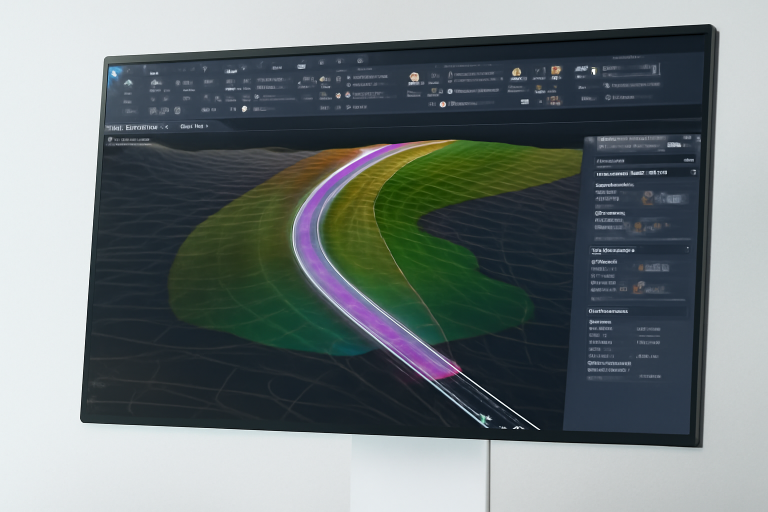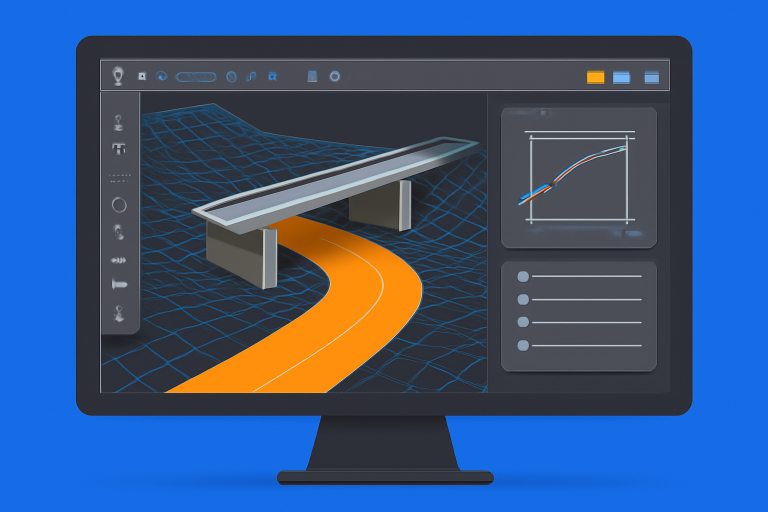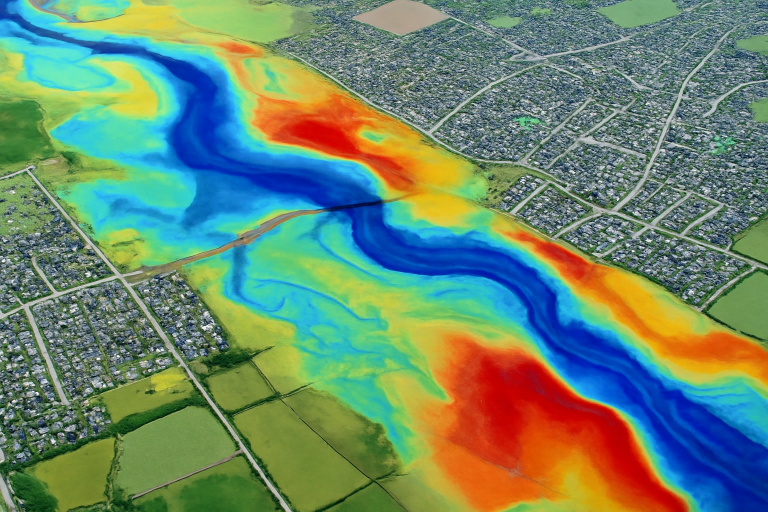

Civil 3D plugin development refers to creating custom tools and extensions that work alongside Autodesk’s Civil 3D software to automate or optimize specific design tasks. These plugins can range from simple utilities that speed up repetitive actions to more complex tools that integrate advanced modeling and analysis capabilities.
How Plugins Revolutionize Infrastructure Projects:
Automation of Repetitive Tasks:
One of the greatest benefits of custom Civil 3D plugins is automation. Engineers spend a significant amount of time performing repetitive tasks, such as adjusting geometry, creating drainage models, or modifying alignments. Plugins can automate these tasks, allowing engineers to focus on more strategic aspects of design.Increased Accuracy:
Manual calculations and modeling are prone to human error, which can lead to costly mistakes during construction. By integrating specialized algorithms, Civil 3D plugins ensure higher accuracy in design, particularly in complex calculations for drainage systems, culverts, and road alignment.Enhanced Collaboration:
Civil 3D plugins can help standardize design elements, making it easier for teams to collaborate across projects. With shared, customizable plugins, multiple users can work on the same project using the same set of tools, ensuring consistency and reducing miscommunication.Time-Saving Efficiency:
By reducing the time spent on design and modifications, plugins can significantly speed up project timelines. Engineers can instantly generate 3D models, adjust designs, and analyze multiple scenarios, all while maintaining high standards of quality.Customization for Specific Needs:
No two engineering projects are the same. Civil 3D plugins can be tailored to the unique requirements of a project, whether it’s designing culverts, drainage systems, or terrain interactions. This level of customization ensures that the tools meet the specific needs of the project, leading to better outcomes.
Real-World Applications of Civil 3D Plugins:
Civil 3D plugins are used in a wide range of infrastructure projects, including:
Road Design: Optimizing the alignment, grading, and drainage of roadways.
Culvert Design: Automating the modeling of culverts and drainage structures.
Railway Networks: Streamlining the design of railway alignments and supporting infrastructure.
Land Development: Simplifying site design, grading, and utility layout.
Conclusion:
Civil 3D plugin development is an indispensable part of modern civil engineering. By automating routine tasks, enhancing accuracy, and improving collaboration, these plugins help engineers save time and reduce errors. As infrastructure projects become increasingly complex, custom plugins will continue to play a key role in transforming how civil engineers design, build, and deliver sustainable infrastructure.