
Overview:
The engineering industry is undergoing a significant transformation thanks to automation. From complex design tasks to everyday calculations, automated solutions are making processes faster, more efficient, and more accurate. In this article, we explore how automation is impacting civil and environmental engineering, driving innovation, and reshaping the way projects are executed from start to finish.
What Are Automated Solutions in Engineering?
Automated solutions in engineering refer to the use of software tools, algorithms, and artificial intelligence (AI) to streamline and optimize the design, planning, and execution of projects. These solutions can be applied across various stages of engineering, from conceptual design to construction, helping engineers reduce manual effort and focus on solving complex problems.
Key Benefits of Automation in Engineering:
- Increased Efficiency:
Automation eliminates the need for repetitive manual tasks, such as drawing lines, adjusting geometries, or recalculating values. This not only saves time but also speeds up the overall design process, enabling engineers to complete projects faster and meet tight deadlines. - Improved Accuracy:
Automated solutions rely on predefined algorithms and programming, reducing human error in calculations, modeling, and design. This enhances the precision of designs and ensures that every part of the project meets regulatory and safety standards. - Cost Savings:
By automating routine tasks, engineers can allocate more resources toward complex problem-solving and creative design, leading to better-quality results and reduced costs. Automation also reduces the likelihood of costly errors, delays, and rework during construction. - Smarter Decision-Making:
Advanced automation tools, particularly those incorporating AI, can provide real-time data analysis, helping engineers make better-informed decisions. These tools analyze various scenarios, helping engineers evaluate the best course of action based on performance predictions, environmental conditions, and other variables. - Enhanced Collaboration:
With automation tools integrated into engineering workflows, teams can collaborate more effectively. For example, automated solutions allow for seamless data sharing and communication between designers, engineers, and other stakeholders, ensuring that everyone is on the same page throughout the project lifecycle.
Applications of Automation in Civil Engineering:
- Design and Modeling:
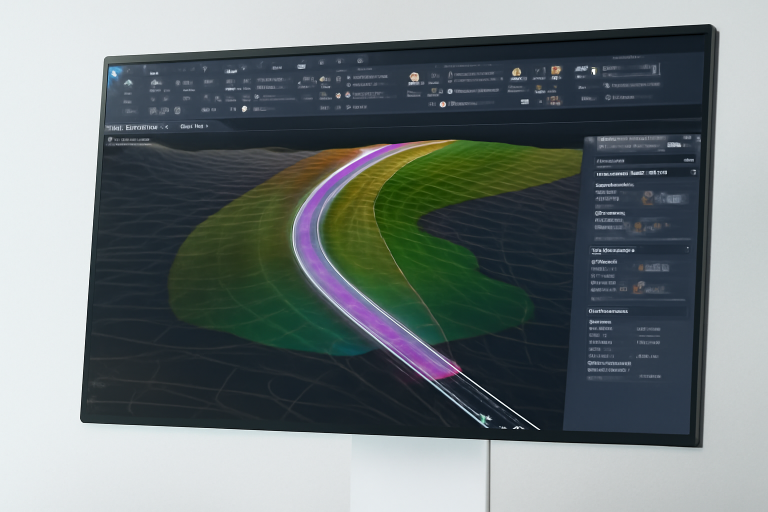
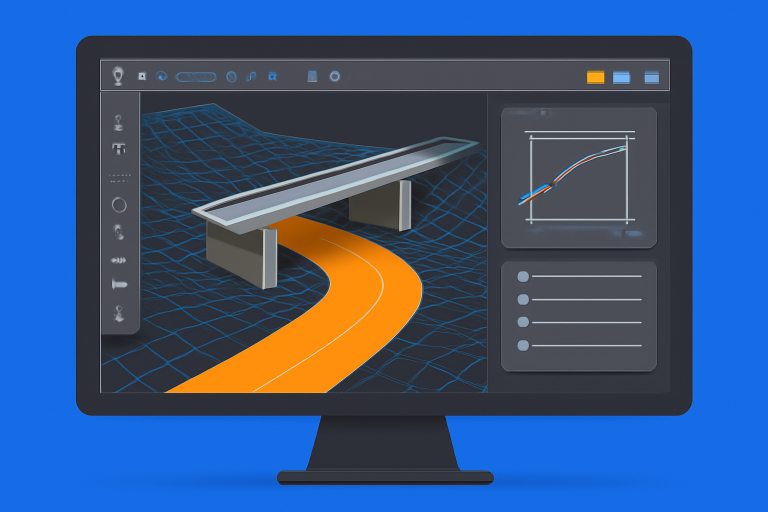
Tools like Civil 3D and AutoCAD plugins automate complex tasks such as road alignment, terrain analysis, and drainage system design, making the entire process more efficient. - Construction Monitoring:
Automated solutions are being used to monitor construction progress, track materials, and ensure compliance with design specifications. Sensors and drones provide real-time data, helping teams manage on-site activities efficiently. - Water Resource Management:
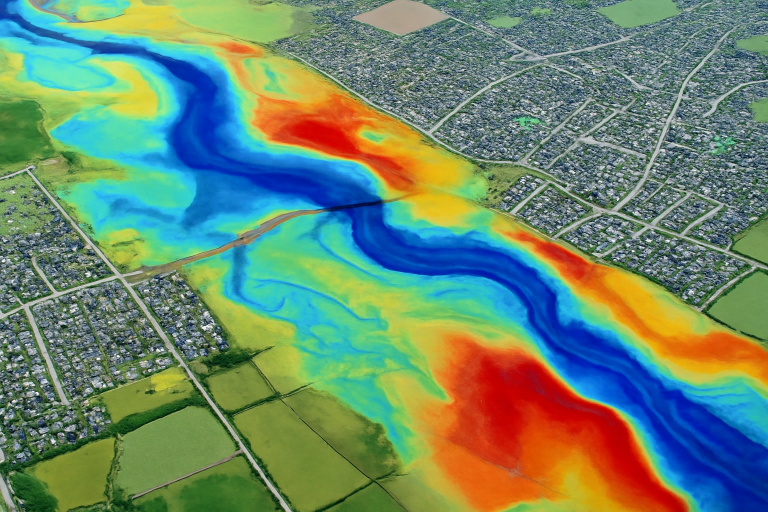
Hydrological modeling tools help automate the design of flood control systems, water distribution networks, and wastewater management, ensuring that these systems are both efficient and sustainable. - Project Management:
Project management software powered by automation can track timelines, costs, and resources, ensuring that engineering projects stay on schedule and within budget.
Conclusion:
Automation is not just a trend in the engineering industry—it is a game-changer. By streamlining complex processes, improving accuracy, and enabling smarter decision-making, automated solutions are allowing engineers to create better, more efficient designs. As technology continues to evolve, automation will undoubtedly play an even bigger role in shaping the future of engineering.