

In the field of civil engineering, understanding the dynamics of water flow is crucial for designing sustainable infrastructure. Hydrological modeling plays a key role in simulating how water behaves in natural and urban environments, helping engineers design systems that prevent flooding and ensure the durability of structures.
Hydrological modeling allows engineers to predict the behavior of rainwater, runoff, and other environmental factors. These simulations provide vital data that influence the design of drainage systems, flood management projects, and water resource management systems.
Why Hydrological Modeling is Critical:
- Flood Risk Assessment:
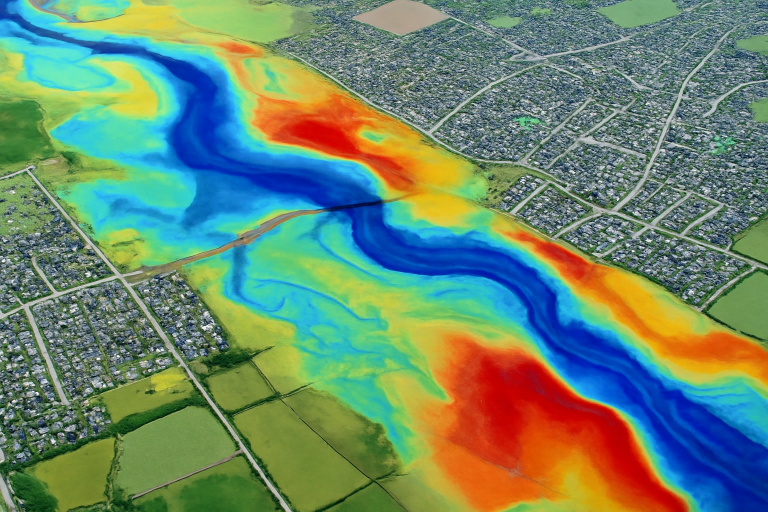
By simulating different rainfall scenarios, hydrological models help engineers understand potential flooding risks. This enables them to design better flood control systems, such as retention basins and levees, to protect communities and infrastructure. - Infrastructure Design Optimization:
Accurate modeling ensures that infrastructure, from roads to railways, is built to withstand the effects of water and erosion. It helps engineers calculate the necessary drainage capacities and make informed decisions about the placement and design of structures. - Sustainability and Efficiency:
Hydrological modeling allows for the efficient use of water resources. Engineers can simulate water availability and plan infrastructure projects that minimize environmental impact and promote sustainability, ensuring that resources are used responsibly. - Cost Savings:
Early integration of hydrological modeling into the planning phase of a project can save significant costs. By predicting water-related challenges ahead of time, projects can avoid costly changes or delays later in the development phase. - Enhanced Decision Making:
With real-time data and predictive models, engineers can make better, data-driven decisions. This leads to more reliable infrastructure and safer, more resilient designs.
Conclusion:
Hydrological modeling is an essential tool for civil engineers, providing the data needed to create efficient, sustainable, and flood-resilient infrastructure. By incorporating these advanced models into the planning and design processes, engineers can ensure that infrastructure projects stand the test of time, reducing costs and improving public safety.

One Response
Hi, this is a comment.
To get started with moderating, editing, and deleting comments, please visit the Comments screen in the dashboard.
Commenter avatars come from Gravatar.