
Overview:
Civil 3D software has been an essential tool for civil engineers, allowing them to design and model infrastructure projects with precision and efficiency. Over the years, advancements in Civil 3D design automation have significantly transformed the way engineers approach complex tasks. From automated terrain modeling to road design and drainage systems, these advancements are saving time, improving accuracy, and increasing project delivery speed.
What Is Civil 3D Design Automation?
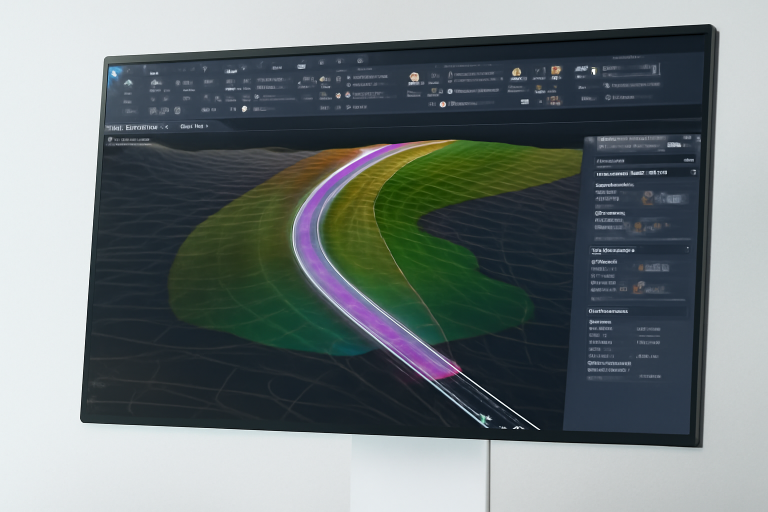
Civil 3D design automation involves the integration of tools and plugins that can automate repetitive or complex design tasks. These tools are programmed to automatically generate 3D models, analyze terrain, and optimize designs based on set parameters. Civil 3D plugins, for example, enable engineers to automatically design road alignments, drainage systems, and other critical infrastructure components without needing to manually perform every step.
How Civil 3D Design Automation Is Shaping the Future of Engineering
Increased Speed of Design:
Automation in Civil 3D allows engineers to quickly generate designs without having to manually input every detail. This reduction in design time accelerates project timelines, allowing for faster turnarounds and more efficient workflows.Improved Accuracy:
Automation reduces human error by using algorithms to perform calculations and adjustments. This ensures that designs are consistently accurate, minimizing the chances of errors that can occur with manual input.Optimized Design Outcomes:
Automated tools in Civil 3D enable engineers to test multiple design scenarios quickly and compare outcomes. This ability to simulate various configurations helps engineers find the best design solutions without needing to rework entire sections of the project.Enhanced Collaboration:
Civil 3D’s automation features make it easier for teams to collaborate on projects. Designers, engineers, and other stakeholders can access and work on shared automated models, ensuring everyone is on the same page and reducing the risk of miscommunication.Cost Savings:
By streamlining the design process, automation reduces the overall time and resources needed to complete a project. This leads to significant cost savings, especially on large-scale infrastructure projects where even small efficiencies can add up.
Real-World Applications of Civil 3D Automation:
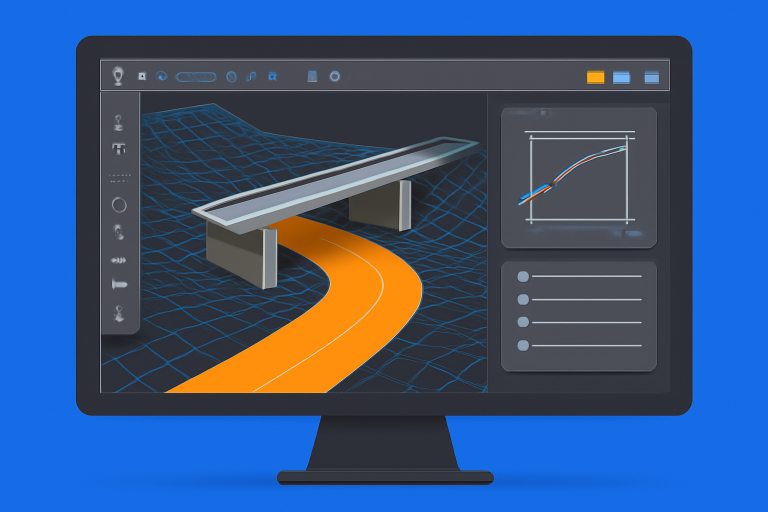
Road Design: Automating the creation of road alignments, grading, and cross-sections.
Drainage Systems: Using plugins to automatically generate drainage networks based on topographical data.
Railway Projects: Automating track design and network analysis for smoother, faster implementation.
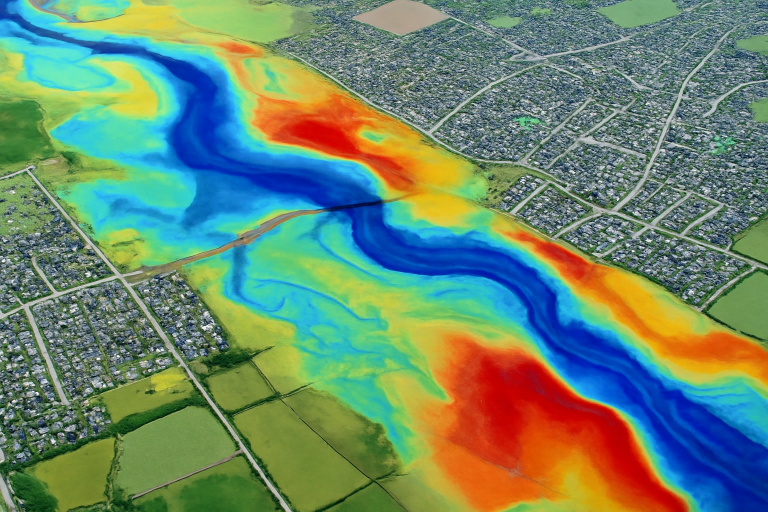
Urban Planning: Quickly developing 3D terrain models and layouts for large urban developments.
Conclusion:
Civil 3D design automation is revolutionizing how engineers approach infrastructure design. The tools and technologies that automate tasks like terrain modeling and road alignment are not only increasing the speed and accuracy of design but also improving collaboration and cost efficiency. As technology continues to advance, automation will only continue to play a larger role in shaping the future of civil engineering.